Audio
Audio Shorts
 Movies & Games
 Blog & Stories
It was the tail end of a wet October when I stepped off the bus in the old mill town of Ashworth, the damp air clinging to my skin like a second layer. The company had transferred me from the coast to manage their disused textile machinery, a job that felt as dusty as the archives I was sent to organize. The local liaison, a woman named Mrs. Harlow with a face like crumpled paper, drove me to my new lodging—a sprawling Victorian manor that the company owned, perched on a hill overlooking the empty mill. As we pulled up the gravel drive, she kept her eyes on the road, her lips pressed thin.
‘You’ll be staying here,’ she said, not making it a question. I noticed the way her hand tightened on the steering wheel. ‘Now, Mr. Vance, I’ve been told to tell you: if you see or hear anything… unusual, you just ignore it. It’s likely just the old pipes or the wind.’ I asked her what she meant, but she only shook her head and handed me the keys. ‘You’ll be fine as long as you pay it no mind.’ She drove off before I could ask more, leaving me alone with my suitcase and the looming house.
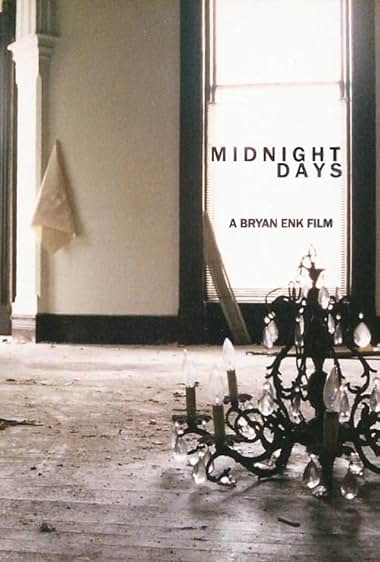
The house was a relic of a bygone era, with peeling paint and a wraparound porch. Inside, it was cavernous: a grand foyer with a chandelier that tinkled even without wind, a sweeping staircase that groaned underfoot, and a library lined with books that smelled of rot. The kitchen was vast, with a hearth big enough to roast a pig, and the back opened to a sprawling garden that had gone wild. My room was on the second floor, at the end of a long hallway lined with portraits of stern-faced ancestors. The bed was high and four-postered, and the curtains were heavy velvet. That first night, I unpacked, trying to shake the feeling of being watched.
It started on the third night. I was in the library, searching for a book on local history, when I heard a low, rhythmic humming from somewhere above. It wasn’t mechanical—it had a cadence, a melody almost. I told myself it was the old furnace, but the sound seemed to follow me as I climbed the stairs. In the hallway, I paused, listening. The humming came from the attic, a door I hadn’t noticed before, slightly ajar. I pushed it open, but the room was empty and cold, with a small round window that looked out onto the overgrown garden. On the sill sat a rusty lantern, its glass cloudy. I left it, but that night I dreamed of a woman in a white dress, holding that very lantern, her face hidden.
Over the next weeks, the disturbances grew. Doors would creak open on their own. I felt cold spots in the air, and once, I glimpsed a figure from the corner of my eye—a shadow slipping behind a tapestry. But I remembered Mrs. Harlow’s warning and tried to ignore it. One evening, I found a leather-bound journal in the library, hidden behind a loose brick. It belonged to a man named Elias Thorne, who had lived in the house in the 1930s. He wrote of his wife, Eleanor, who had died in a fire, and of his grief. He described hearing her humming from the attic, and he would leave the lantern lit for her, hoping she would find her way home. The journal ended abruptly.
Driven by curiosity, I climbed to the attic again. The lantern was still there, but this time I noticed a small brass keyhole on the lantern’s base—no key. I searched the house, and in a drawer of the kitchen, I found a rusty key. When I inserted it, the lantern’s base popped open, revealing a folded piece of paper. It was a map, marked with an X in the garden, near the old well. That night, under a full moon, I dug where the X was marked. I unearthed a small tin box. Inside was a photograph of Eleanor, and a locket containing a strand of hair, along with a letter. The letter, from Elias, confessed that his grief had driven him to madness: he had set the fire himself, unable to bear her leaving him, and had sealed her in the attic, but she had escaped as a ghost, forever searching for the lantern.
I realized the lantern was the key to her rest. If I could light it and place it in the attic, she might finally pass on. I did just that, striking a match and igniting the wick. The flame burned steady, and the humming grew louder, almost harmonizing with the crackle. Then, a figure materialized—Eleanor, in her white dress, her face no longer hidden. She looked at me with a sorrowful gaze, then turned to the lantern and blew out the flame. As the last wisp of smoke rose, she faded, and the attic fell silent. I stood there, holding the cold lantern, and felt a profound emptiness. The house was still, but I knew I had to leave. I left Ashworth the next day, carrying the lantern with me. Even now, sometimes, I hear a faint humming from inside it, as if she’s telling me to keep it lit, or to let it go. I haven’t decided which is more frightening.