Audio
 Shorts
 Movies & Games
 Blog & Stories


In Mario Bava’s haunting gothic masterpiece, a sadistic nobleman returns from the grave to reclaim his masochistic former lover, who is now betrothed to his brother. As the chilling specter torments her with a strange blend of fear and desire, the line between reality and madness blurs. Bava’s lush, color-drenched cinematography and eerie atmosphere create a dreamlike nightmare where passion and cruelty intertwine. A classic of Italian horror, this film delves into the darkest corners of the human psyche, leaving viewers unsettled long after the credits roll.
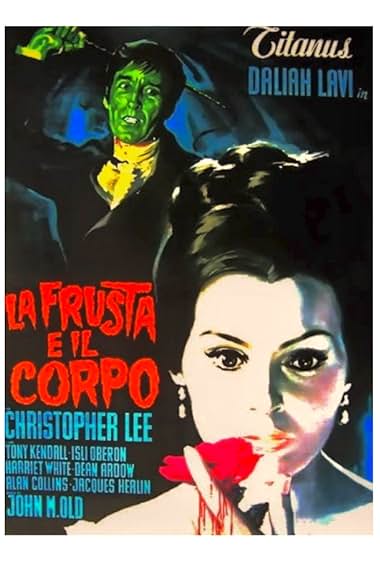
La frusta e il corpo
Directors
Writers
Language
Production
Frequently Asked Questions
What is La frusta e il corpo about?
In Mario Bava's haunting gothic masterpiece, a sadistic nobleman returns from the grave to reclaim his masochistic former lover, who is now betrothed to his brother. As the chilling specter torments her with a strange blend of fear and desire, the line between reality and...
When was La frusta e il corpo released?
La frusta e il corpo was released in 1960.
Where can I stream La frusta e il corpo?
Check local streaming services and digital release platforms for La frusta e il corpo availability.
User Reviews
GothicGaze – 8/10
“Bava's visuals are absolutely stunning—the colors and shadows create such a haunting mood. The story is twisted and unsettling, and I couldn't look away. Definitely a must-watch for fans of classic horror.”
ScreamQueen66 – 7/10
“I loved the atmospheric dread and the intense performance from the lead actress. It's not your typical jump-scare horror, but it gets under your skin. The plot gets a bit convoluted at times, but the eerie vibe makes up for it.”
HorrorHound – 5/10
“I appreciate what Bava was going for, but for me, the pacing was too slow and the story didn't fully come together. The ghost stuff felt less scary and more melodramatic. Still, there are some memorable scenes that stuck with me.”
MidnightWatcher – 6/10
“The atmosphere is top-notch and the film looks amazing, but the plot felt a bit dated. I enjoyed the psychological tension between the characters, even though it wasn't as terrifying as I expected. Worth a watch for the cinematography alone.”