Audio
Audio Shorts
 Movies & Games
 Blog & Stories
My grandmother’s house has always felt like a held breath. As a child, I’d race up the stairs, my heart pounding, not because of the dark, but because of the cold that seeped from the walls, especially near her bedroom door. I’d never go in, not even when she called for me to fetch her glasses. The air there was thick, like walking through a frozen waterfall, and goosebumps would crawl over my skin no matter the season. I never told anyone, not even my mother. I thought it was just my imagination, a childish fear of the old house and its creaking bones.
Years later, I’ve learned to live with the strangeness. The orbs, for instance. Little pinpricks of light that drift through the dim rooms, especially near the stairs. They pulse like tiny hearts, hovering and bobbing. I used to think they were dust motes or tricks of the light, but they move with intention, sometimes pausing as if watching me. I’ve grown accustomed to them, my eyes sliding past as I go about my day. They are part of the house’s rhythm now, like the settling of the floorboards at night.
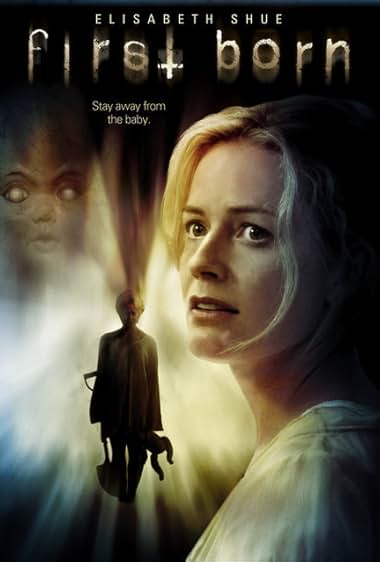
But the boy is different. I only ever catch him in the periphery of my vision, always at night, always standing still. He’s small, maybe three or four, with hair the color of wheat. He wears a dark blue long-sleeved jumper and dark denim jeans, and in his arms he clutches a brown teddy bear, its button eyes dull. A pacifier hangs from his mouth. He never moves, just stands there in the hallway or at the foot of the stairs, his eyes wide and sorrowful, fixed on something I can’t see. I’ve never heard him speak, not a word, not a whisper. He just exists, a silent sentinel in the gloom.
It was just past midnight when I finally saw him move. I was coming up from the kitchen with a glass of water, the stairs creaking under my weight. The boy stood at the top, his usual spot, but this time his head turned slowly, and his gaze met mine. A chill shot through me, colder than ever before. His lips parted slightly, and for a moment, I thought he might speak. But instead, he raised his free hand and pointed down the hallway, toward my grandmother’s room. The door was ajar, a sliver of darkness beyond. I felt a pull, an irresistible urge to follow his direction. My feet moved of their own accord, my heart thudding in my chest. As I reached the door, the boy vanished, leaving only the lingering cold.
I pushed the door open, the old hinges groaning. The room was unchanged: the lace curtains, the heavy mahogany dresser, the bed with its worn quilt. But the air was heavy, suffocating. I stepped inside, and the cold enveloped me, seeping into my bones. I saw a figure on the bed, lying still under the covers. It was my grandmother, but she looked different, younger, her face peaceful in sleep. Then I realized, she was not breathing. Standing at the foot of the bed was the boy again, his teddy bear now on the floor, his pacifier gone. His lips formed the words I could not hear: ‘She’s free now.’ A great weight lifted from the house, and the cold abated, leaving a strange warmth. I blinked, and the boy was gone, but I knew he had been waiting, all these years, for someone to see him, to follow him, to acknowledge his silent vigil. I backed out of the room, my legs trembling. The orbs flickered once, then faded. The house was still, quiet, and for the first time, I felt no chill. But I knew, somewhere in the shadows, the boy was still watching, waiting for the next lost soul to guide.