Audio
Audio Shorts
 Movies & Games
 Blog & Stories
It was early autumn, and the air carried the scent of damp leaves and woodsmoke as I drove out to the old farmhouse on Hemlock Road. My friend, a skeptical archaeologist named Evelyn, had inherited the place from her estranged uncle and was clearing it out before selling. I had come to help, but the house itself felt wrong. It was a sprawling Victorian with peeling wallpaper and rooms that seemed to hold their breath.
By evening, we had sorted through boxes of moth-eaten clothes and rusted farm tools. The parlor was stacked with furniture draped in white sheets, and a large mahogany bookshelf dominated one wall. Evelyn noticed it too, a set of three books bound in cracked black leather, each with a worn strap. ‘Odd,’ she said, pulling one down. The spine creaked as she opened it, but the pages were blank. The second had a strange geometric symbol embossed on its cover, and the third was bound with a cord that looked like dried sinew.
We laughed at the absurdity, calling them ‘amateur occult props,’ and decided to take them back to the city for appraisal. That night, we returned to Evelyn’s apartment, a narrow walk-up in a bustling district. We placed the three books on her coffee table and went to bed.
I woke to a sound like dry leaves rubbing together. Groggy, I found the bedroom door ajar, and the hallway light was off. As I stumbled into the living room, the three books were open on the floor, their pages now filled with dense, angular script that seemed to shift as I watched. The lamp flickered, and a cold draft crossed my ankles. I called for Evelyn, but she didn’t answer. Her door was locked.
When she finally emerged, she looked pale and refused to speak about the books. But she had dark circles under her eyes, and her hands trembled. Over the next week, she became withdrawn. She would sit for hours, staring at the blank pages, muttering about ‘the shepherd’ and ‘the fleece.’ She started wearing a wool scarf indoors, even in the warmth.
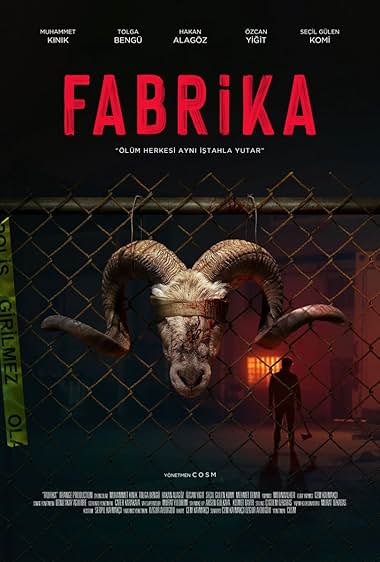
One night, I found her in the living room at 3 AM. She had the third book open, and a thin line of fresh blood ran from her nose down to her chin. ‘They’re not books,’ she whispered, her voice hoarse. ‘They’re contracts. And I signed one.’ I grabbed the book, but the pages were slick, and my fingers left dark streaks. On the page was a crude drawing of a ram’s skull, its horns spiraling, and beneath it, a signature in red ink that I didn’t recognize.
The next day, Evelyn disappeared. The police found her car abandoned on a rural road, but no trace of her. I was alone with the books. Desperate, I tried to burn them, but they wouldn’t catch. I tried to bury them, but the ground refused them, spitting the dirt back as if it were toxic. In the end, I fled, moving across the country. But the books followed.
They arrived by mail, wrapped in brown paper, no return address. I threw them in the trash, but they reappeared on my bedside table. I ignored them, but I could hear them at night—soft, like pages turning, like something breathing. Last night, I woke to find them arranged in a triangle around my bed. The pages were no longer blank; they were filled with my own handwriting, recording every detail of my day, every unspoken fear. The last entry read: ‘Phase two begins at the first frost.’
Now, as autumn deepens, I feel the bindings tightening around my own soul. I don’t know what I’ve become part of, but I know this: the books weren’t meant to be read. They were meant to be found. And now that they’ve found me, they won’t let go. The shepherd is coming, and he is counting his flock.