Audio
Audio Shorts
 Movies & Games
 Blog & Stories


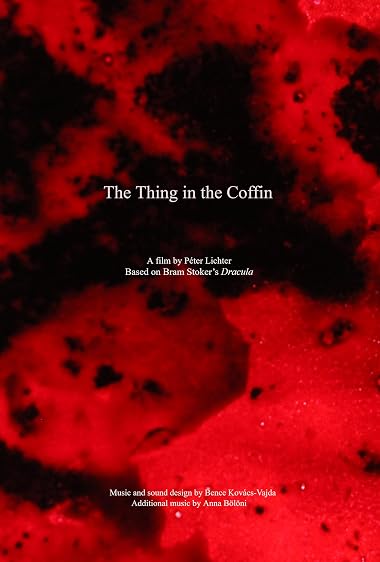
A visceral descent into the erotic and the macabre, ‘The Thing in the Coffin’ resurrects Dracula as a fever dream of decaying celluloid. Director Péter Lichter weaves 8mm, 16mm, and 35mm into a tactile tapestry of glitches and grain, where every frame breathes with an unsettling, organic unease. The film’s analog decay becomes a metaphor for lust and mortality, its fragmented narrative bleeding into a hypnotic audiovisual trance. For those who crave cinema that disturbs beyond narrative, this is a haunting artifact that lingers like a half-remembered nightmare.
Frequently Asked Questions
What is The Thing in the Coffin about?
A visceral descent into the erotic and the macabre, 'The Thing in the Coffin' resurrects Dracula as a fever dream of decaying celluloid. Director Péter Lichter weaves 8mm, 16mm, and 35mm into a tactile tapestry of glitches and grain, where every frame breathes with an...
When was The Thing in the Coffin released?
The Thing in the Coffin was released in 2026.
Where can I stream The Thing in the Coffin?
Check local streaming services and digital release platforms for The Thing in the Coffin availability.
User Reviews
AnalogHorrorAficionado – 8/10
“As a lover of experimental cinema, this was a sensory feast. The decaying film stock and glitch effects gave an almost tactile dread that modern digital horror can't match. Not for the easily bored, but if you let it wash over you, it's a unique nightmare.”
CountessOfDarkness – 7/10
“The atmosphere was thick with unease, and the eroticism was cleverly woven into the film's decay. At times the abstract structure lost me, but the haunting images stayed with me long after. A great pick for a dark, quiet night.”
GoreGalore – 6/10
“I appreciate the artistry, but I was hoping for more traditional scares. The fractured narrative made it hard to get absorbed, and I felt the pace was too slow. Still, the visuals are stunning and unlike anything you'll see in mainstream horror.”
MidnightCinephile – 9/10
“This is what horror should be: a descent into madness through the medium itself. The glitchy, decaying images feel like the film is coming apart at the seams, mirroring Dracula's own decay. It's hypnotic, unsettling, and deeply poetic. A masterpiece of experimental dread.”