Audio
 Shorts
 Movies & Games
 Blog & Stories


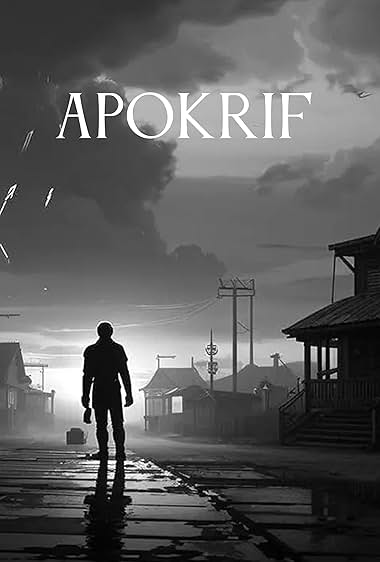
In the unsettling Russian indie horror ‘Apokrif’, an unnamed wanderer drifts through a city that feels both familiar and profoundly wrong. Each street and alleyway hums with a low, dread-inducing static, as if the urban landscape itself is a living, breathing entity with secrets to keep. The film’s minimalist approach and haunting sound design create an atmosphere of pervasive unease, where every shadow could hide a menace and every encounter feels like a premonition. As the protagonist’s late-night odyssey unfolds, the line between reality and nightmare blurs, pulling viewers into a slow-burn psychological descent that lingers long after the credits roll.
Frequently Asked Questions
What is Apokrif about?
In the unsettling Russian indie horror 'Apokrif', an unnamed wanderer drifts through a city that feels both familiar and profoundly wrong. Each street and alleyway hums with a low, dread-inducing static, as if the urban landscape itself is a living, breathing entity with secrets to...
When was Apokrif released?
Apokrif was released in 2025.
Where can I stream Apokrif?
Check local streaming services and digital release platforms for Apokrif availability.
User Reviews
NightTerror – 9/10
“This film got under my skin like nothing else this year. The way it builds tension through silence and those empty city shots is masterful. I felt like I was walking those corridors myself, and that ending… it's going to haunt me for weeks.”
SilentHillFan – 8/10
“I'm a sucker for atmospheric horror, and Apokrif delivers. The minimalist approach works perfectly—no cheap jumpscares, just pure dread. Some might find it slow, but for me, that deliberate pacing made the horror feel all the more real.”
GoreHound – 7/10
“Not as gory as I usually like, but the psychological terror more than made up for it. The sound design alone gave me chills. A solid entry in the 'walking simulator horror' subgenre, though I wish there was a bit more payoff.”
CinephileNightmare – 10/10
“Apokrif is a modern masterpiece of slow-burn horror. Every frame is a painting, and the oppressive atmosphere is suffocating. It reminded me of the best work of Lynch and Tarkovsky. This is what independent horror should strive for.”